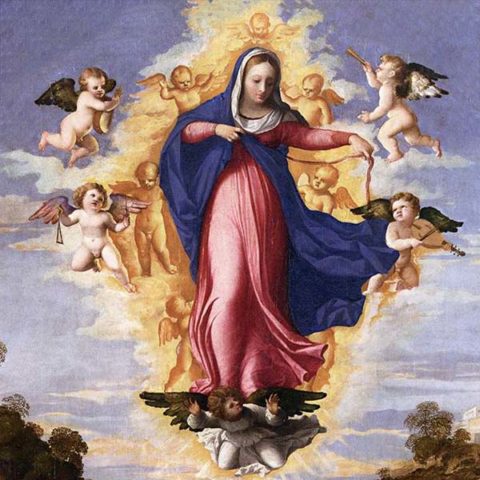
Mary’s Month and Mother’s Day
Scripture often uses the image of a mother’s love as a way to illustrate the depth of God’s nurturing love for each of us. This image has been made all the more powerful by the miracle of the Incarnation.


A ready-to-use lesson on each Sunday Gospel

Apply Catholic principles beyond the classroom
Lessons about how God made us male and female
Exploring the treasures of Catholic culture

Investigating God's finely-tuned creation

In this week’s Gospel passage, Jesus explains that “the last will be first, and the first will be last.” In this lesson, students will reflect on the vice of envy and the importance of putting others before themselves.
Read more
In this week’s Gospel passage, Jesus tells a parable of two sons. One son tells the father he will not do what the father asks but then does it. The other son tells the father that he will do what the father asks but then does not. In this lesson, students will...
Read more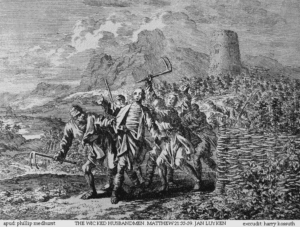
In this week’s Gospel passage, Jesus tells the parable of the tenants who killed the landowner’s son when he sent him to collect their produce. He explains that the stone the builders rejected has become the cornerstone, and that the Kingdom of Heaven will be given to those that bear fruit. In...
Read more
Scripture often uses the image of a mother’s love as a way to illustrate the depth of God’s nurturing love for each of us. This image has been made all the more powerful by the miracle of the Incarnation.

Though brief comparatively, Pope Benedict XVI’s pontificate was a time of clarity and consequence in the Church and in the way she presents herself to the world.
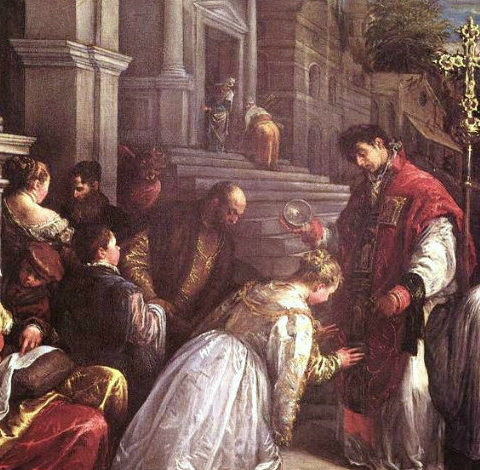
Valentine’s Day provides an opportunity for us to reflect on the love of Jesus Christ, which, through the grace of the Sacraments, nurtures and cultivates all other loves and relationships.

The action of love itself, our highest calling as children of God redeemed by Christ, is freely choosing the good of another. Love—by its very definition—cannot be forced.

As Catholics, we must cultivate the practice of analyzing what we see and hear in the news.

This lesson explores the phenomenon of the meme, a curious and humorous kind of visual message that has become—for most of us—an indispensable and spirit-lifting part of our daily communication.

In 2021, HR-5 (called the Equality Act) was passed by the House of Representatives, sending it on its way to the Senate floor. The bill brings into sharp relief the ideology of transgenderism which is currently influencing our society—and which is directly opposed to Catholic teaching on true human dignity.
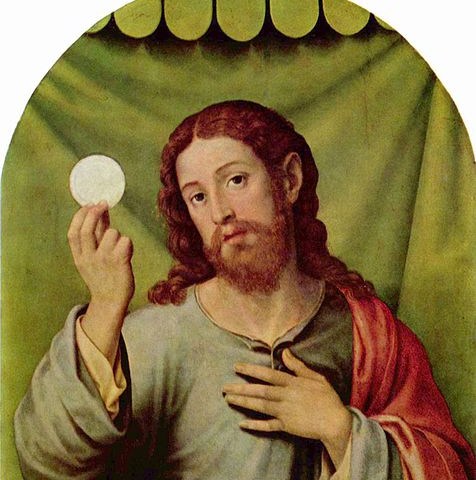
Though we cannot and should not mentally limit the grace of God to a physical place, the sacramentality of our Faith reinforces the importance of place in our public worship of God.
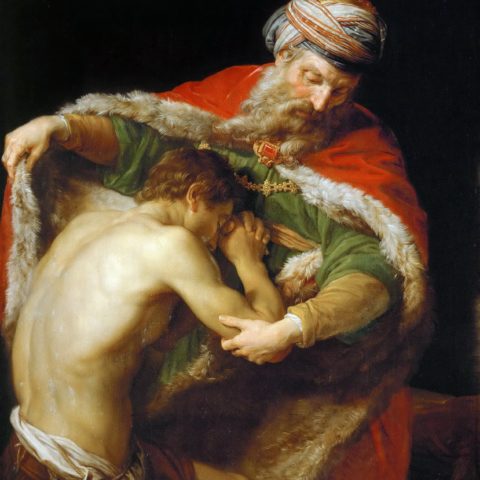
In a Dallas court , Brandt Jean, whose brother was slain by off-duty officer Amber Guyger, publicly forgave his brother’s killer. He revealed that this decision was prompted by his Christian faith. This act astonished those who witnessed it and certainly was an unexpected turn of events considering the details of the trial.
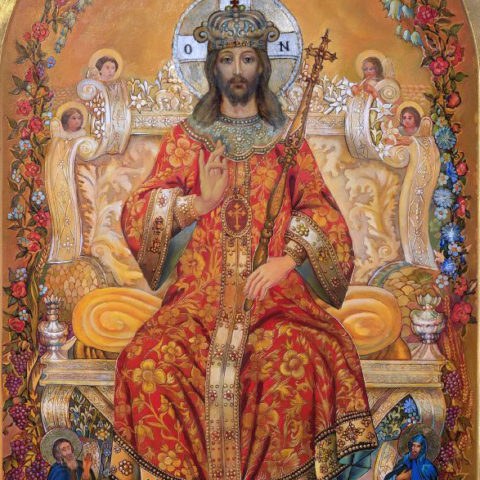
As election day draws near, the noise and distractions of political debates and ads that fill daily life can draw our gaze away from Our Lord.
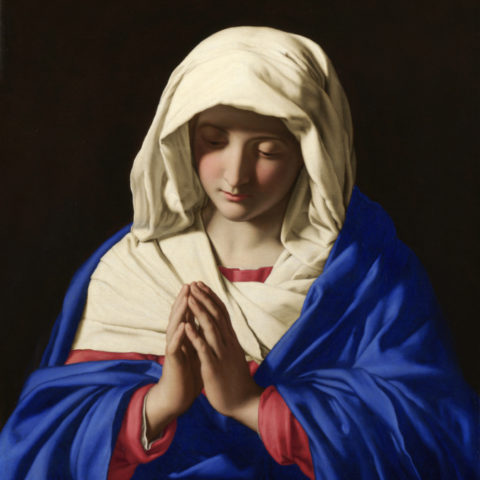
As we witness violence in society, it can be easy to feel overwhelmed and spiritually disoriented. What are we to think, and how are we to act when we see injustice?
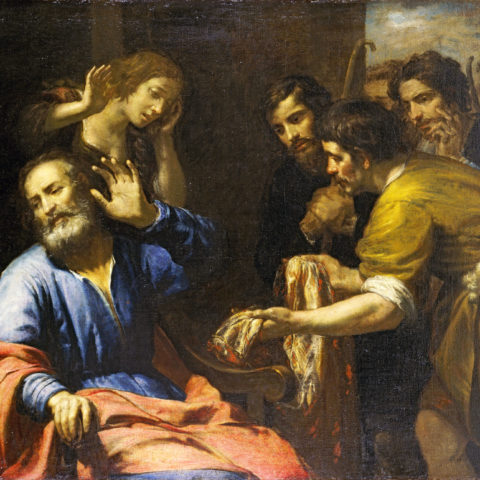
Amid the current crisis caused by the spread of COVID-19, it is easy to feel isolated and disconnected from our neighbors, our friends, and even God Himself.

These are trying times. COVID-19 has greatly affected our nation, and our government has advised the practice of social distancing, and in some cases quarantining, in an attempt to slow the spread of the virus.
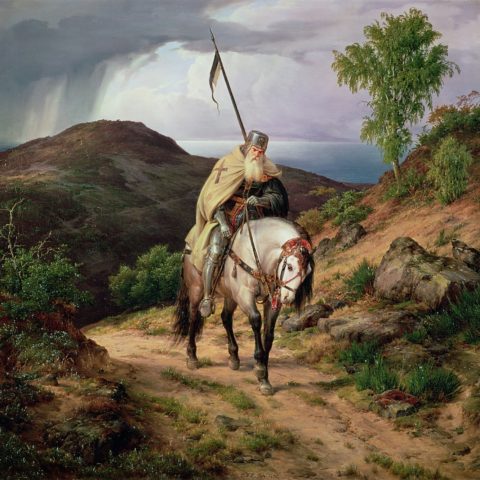
Though the rumor about a draft in early 2020 was unfounded, it raises important questions about national defense, conscription, war, the common good, and the obligations and duties of citizenship for all Catholic Americans. Thankfully, the Church in her wisdom gives guidance to nations in the event that armed conflict should arise.
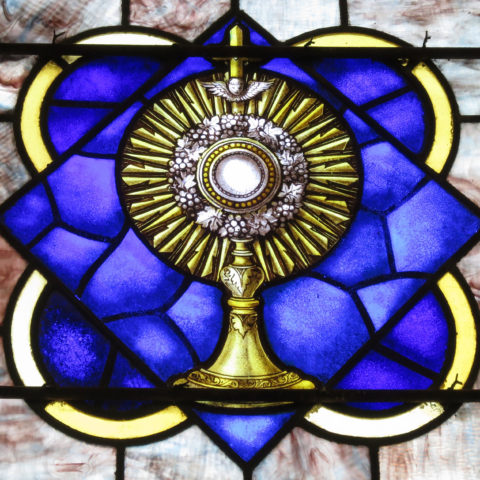
This month’s Teaching the Faith with Current Events explores what the Church proclaims about her most precious Sacrament, why the Eucharist should be preeminent in our lives and in our devotions, how we can truly participate in Christ’s Sacrifice at Mass, and what it means to carry our Faith out into the world with gratitude and joy.
